Youm-e-Arafah is one of the holiest and most blessed days in Islam and the heart of Hajj.
Learn the meaning of “Hajj is Arafah”, the importance of fasting, dua, forgiveness,
and the virtues of the Day of Arafah.
Youm-e-Arafah – The Day of Mercy and Forgiveness
Day of Arafah (Youm-e-Arafah) is one of the most important and blessed days in Islam.
It falls on the 9th day of Dhul Hijjah, one day before Eid al-Adha.
On this sacred day, millions of pilgrims performing Hajj gather at Mount Arafat
to perform the most essential ritual of Hajj called Wuquf of Arafah.
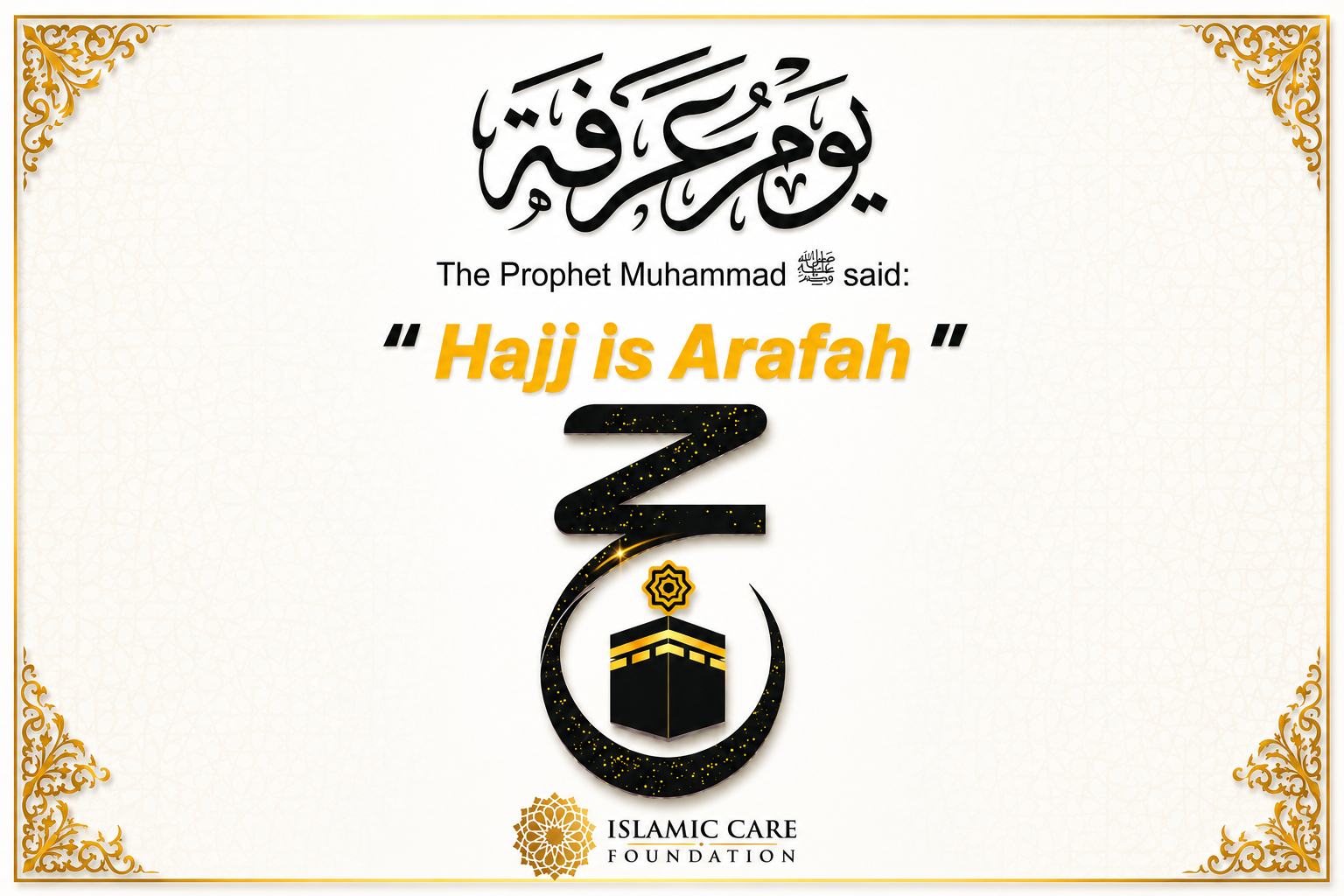
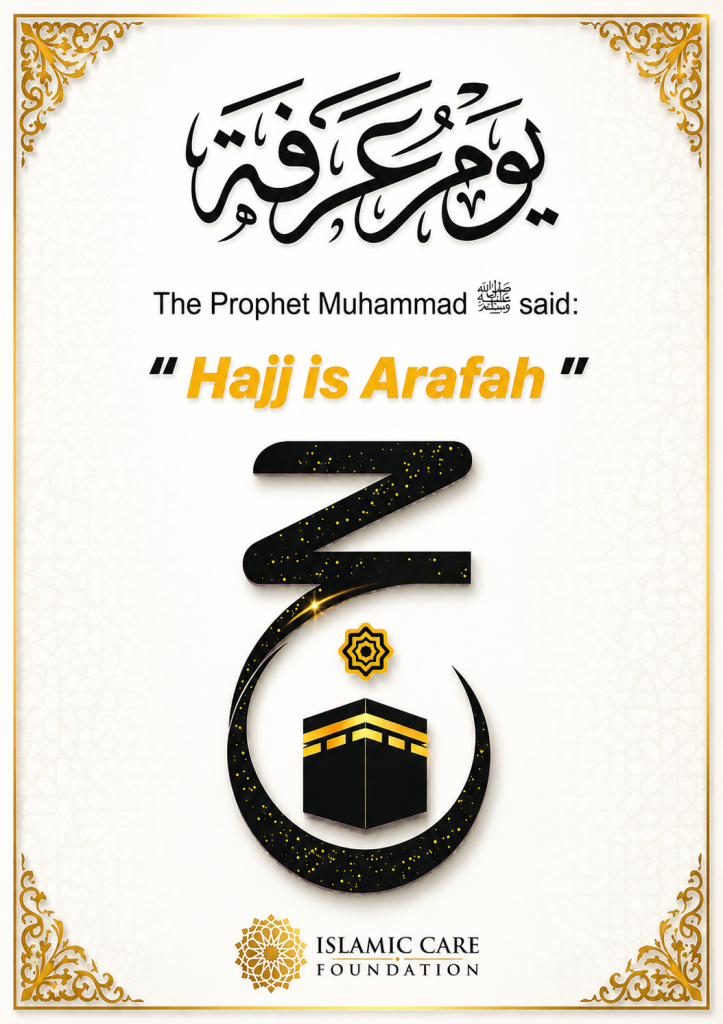
The Prophet Muhammad ﷺ said:
“Hajj is Arafah.”
This means that standing at Arafah is the central pillar of Hajj.
Without reaching Arafah on the 9th of Dhul Hijjah, Hajj is incomplete.
Importance of Youm-e-Arafah
Youm-e-Arafah is known as:
- 🌙 The Day of Mercy
- 🤲 The Day of Forgiveness
- 📿 The Day of Acceptance of Dua
- 🕋 The Greatest Day of Hajj
Allah سبحانه وتعالى frees countless believers from Hellfire on this day
and accepts sincere repentance and supplications.
Fasting on the Day of Arafah
For Muslims who are not performing Hajj, fasting on Youm-e-Arafah
is highly recommended.
The Prophet ﷺ said that fasting on the Day of Arafah expiates
the sins of the previous year and the coming year.
It is a day filled with:
- 🤲 Dua and Istighfar
- 📿 Takbeer and Dhikr
- ❤️ Charity and Good Deeds
- 📖 Quran Recitation
- ✨ Seeking Allah’s Mercy
Hadith Reference
Reference for “Hajj is Arafah”:
- 📚 Jami` at-Tirmidhi – Hadith 889 / 2975
- 📚 Sunan an-Nasa’i – Hadith 3016
- 📚 Sunan Ibn Majah – Hadith 3015
Conclusion
Youm-e-Arafah is a powerful reminder of faith, repentance, unity,
and devotion to Allah. Whether performing Hajj or observing from home,
Muslims around the world spend this day in prayer, fasting, remembrance,
and seeking forgiveness.
Leave Your Comments